Stargazing Near Palm Springs: The Best Dark-Sky Spots in the Desert
Where the Milky Way is still easy to find
PalmSpots Editors · Published Sep 4, 2026 · Updated Oct 11, 2026
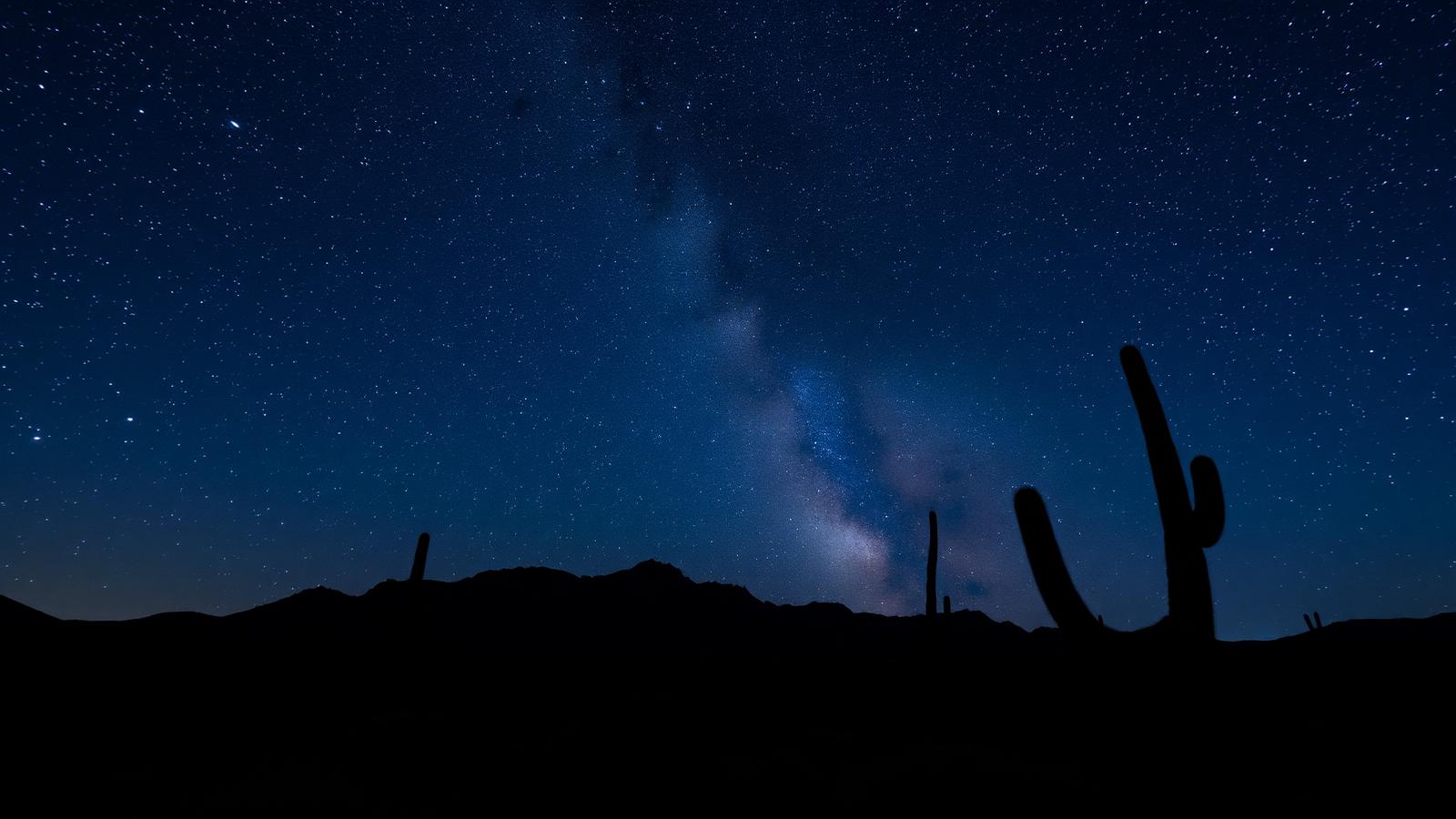
The Coachella Valley sits between mountain ranges that block coastal light, which means genuinely dark sky is 20 to 60 minutes from your hotel pool. Here is where to go, when to go, and how to actually see the Milky Way.
Palm Springs itself has too much glow for serious stargazing, but the valley's geography is a gift: high mountains to the west and south block the light of coastal Southern California, and the dry desert air keeps the sky steady and clear more than 300 nights a year. Within an hour you can stand under some of the darkest accessible sky in the state.
The best spots, ranked by effort
Highway 74 overlook, Santa Rosa Mountains — 25 minutes. The viewpoint partway up the Palms to Pines Highway puts the entire valley's light behind the ridge at your back. Face south or east and the sky opens up. This is the best effort-to-reward stargazing near Palm Springs: no hiking, no park fees, just a guardrail and the Milky Way on a good night.
Joshua Tree National Park — 45 to 60 minutes. An International Dark Sky Park and the classic answer. Enter through the west or north entrance and pull into any roadside turnout past the first few miles — Hidden Valley, Cap Rock, and the Cholla Cactus Garden lot are favorites. Ryan Mountain and Keys View are popular but Keys View faces the valley's light; the interior roads are darker.
Borrego Springs — 90 minutes. An official Dark Sky Community where the whole town keeps lights low. Worth the drive for new-moon weekends when you want the deepest sky without a hike, and the metal sculptures scattered around the desert floor make surreal foregrounds for night photography.
Whitewater Preserve — 30 minutes. Closes before true dark in some seasons, but on late-closing summer evenings the canyon blocks nearly all light. Check hours before going.
When to go
The Milky Way core is up from roughly May through October, highest and brightest July through September. The single biggest factor is the moon: plan around the new moon, and avoid nights within three or four days of a full moon — a bright moon washes out everything but the planets. Winter has no Milky Way core but offers the best planet viewing and Orion rising over the desert, plus earlier darkness and cold, very steady air. Check the Perseids in mid-August and Geminids in mid-December — both are reliably excellent in dark desert sky.
What to bring
- A red-light flashlight or headlamp (white light kills night vision for 20 minutes)
- Layers — the desert drops 30 degrees after sunset even in summer
- A reclining camp chair; your neck will thank you
- Water, and a downloaded offline map (cell service is unreliable in Joshua Tree)
- 20 to 30 minutes of patience: your eyes need that long to fully dark-adapt
Photography notes
A tripod, a wide lens at f/2.8 or faster, and 15-to-20-second exposures will get the Milky Way on any modern camera. High ISO is fine. Foreground silhouettes — a Joshua tree, a boulder pile, the cholla garden — are what separate a snapshot from a print.
Planning to spend a night out under Joshua Tree's sky? Our Joshua Tree stargazing hotel guide compares sleeping bases and the park's designated viewing areas.
Book a guided telescope session instead of a self-guided park visit
For a paid guided astronomy experience, Joshua Tree Astronomy Adventures describes different sessions depending on the moon phase, including star-lit and moon-lit tours. The operator describes weather policies, cancellations, and a separate reservation process. Check the exact tour duration, age rules, meeting point and evening weather before buying.
Another local operator, Stargazing Joshua Tree, promotes guided telescope programs near Joshua Tree; read its site for the current meeting arrangement rather than assuming the program is inside the national park.
Self-guided stargazing is different: The National Park Service's Joshua Tree night-sky guidance specifies legal parking-area viewing and prohibits roadside camping. A commercial hotel room is a separate overnight purchase; compare Joshua Tree stargazing lodging.
*The tour links above go directly to operators and are not verified commission-earning affiliate links. Guided tours are subject to operator availability and weather.*
FAQ
- Can you see the Milky Way from Palm Springs?
- Not from the city itself — there is too much light. But the Highway 74 overlook 25 minutes away and Joshua Tree National Park under an hour away both offer reliable Milky Way views on moonless nights from May through October.
- Where is the best stargazing near Palm Springs?
- Joshua Tree National Park, an International Dark Sky Park, is the best-known option about 45 to 60 minutes away. The Santa Rosa Mountains overlook on Highway 74 is the closest dark-sky spot at about 25 minutes from downtown.
- When is the best time to stargaze in Palm Springs?
- May through October for the Milky Way core, timed to the new moon. Winter offers the best planets and constellations with earlier darkness. Avoid nights near the full moon.
- Do you need a reservation to stargaze in Joshua Tree?
- No reservation is needed to enter the park at night, but the standard park entrance fee applies. Arrive before dark if you want a popular pullout like Hidden Valley on a new-moon weekend.
- Is stargazing near Palm Springs safe at night?
- Yes, with normal desert precautions: bring water, warm layers, a red flashlight, and watch for wildlife on the roads. Tell someone your plans, as cell service is unreliable inside Joshua Tree National Park.
PalmSpots is an independent local guide. We may earn a commission when you book through some links, at no additional cost to you.
Related
Keep reading
Where to Stay for Joshua Tree Stargazing: Hotels vs. Desert Lodging
Choose your base for a night-sky trip without confusing an outside-the-park hotel with an approved stargazing spot.
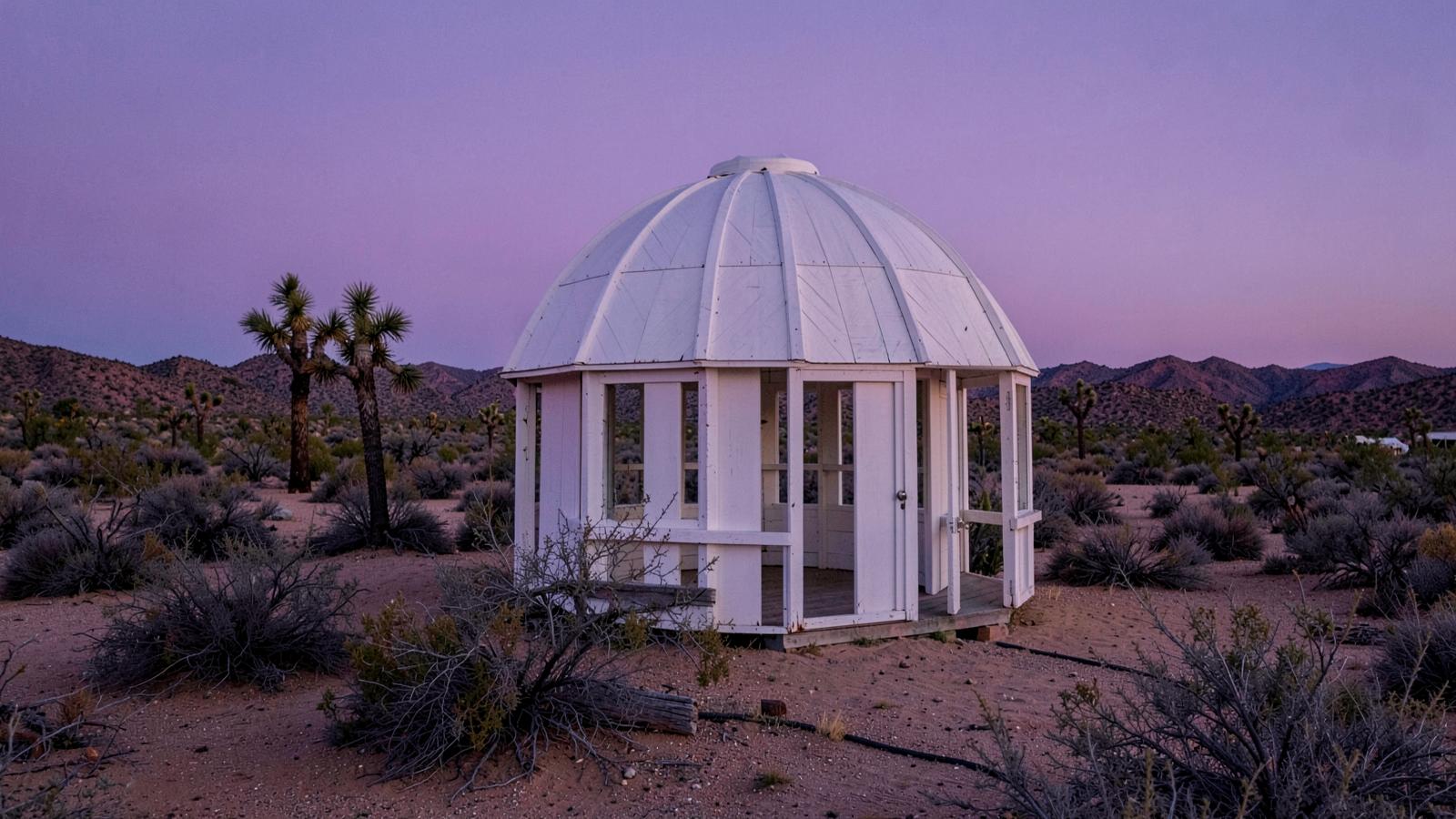
The Integratron: Sound Baths, Tickets & the Drive from Palm Springs
A 1950s domed "rejuvenation machine" in Landers, and how to book a session
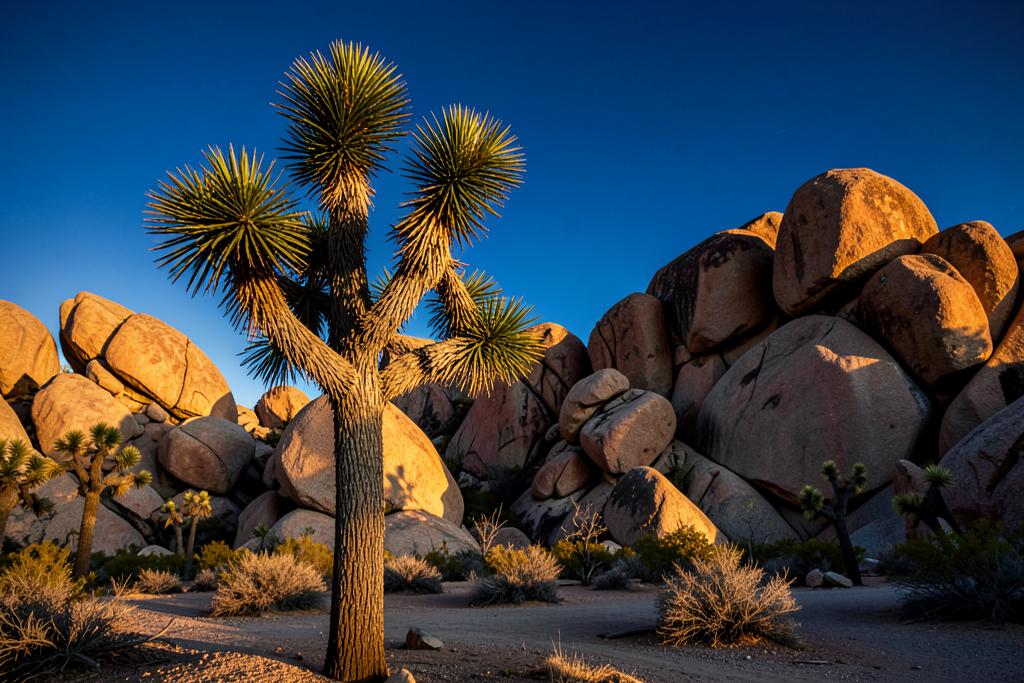
Joshua Tree Day Trip from Palm Springs: Entrances, Best Stops & Itineraries
Which entrance to use, what it costs, and how to see the best of the park in half a day or a full one
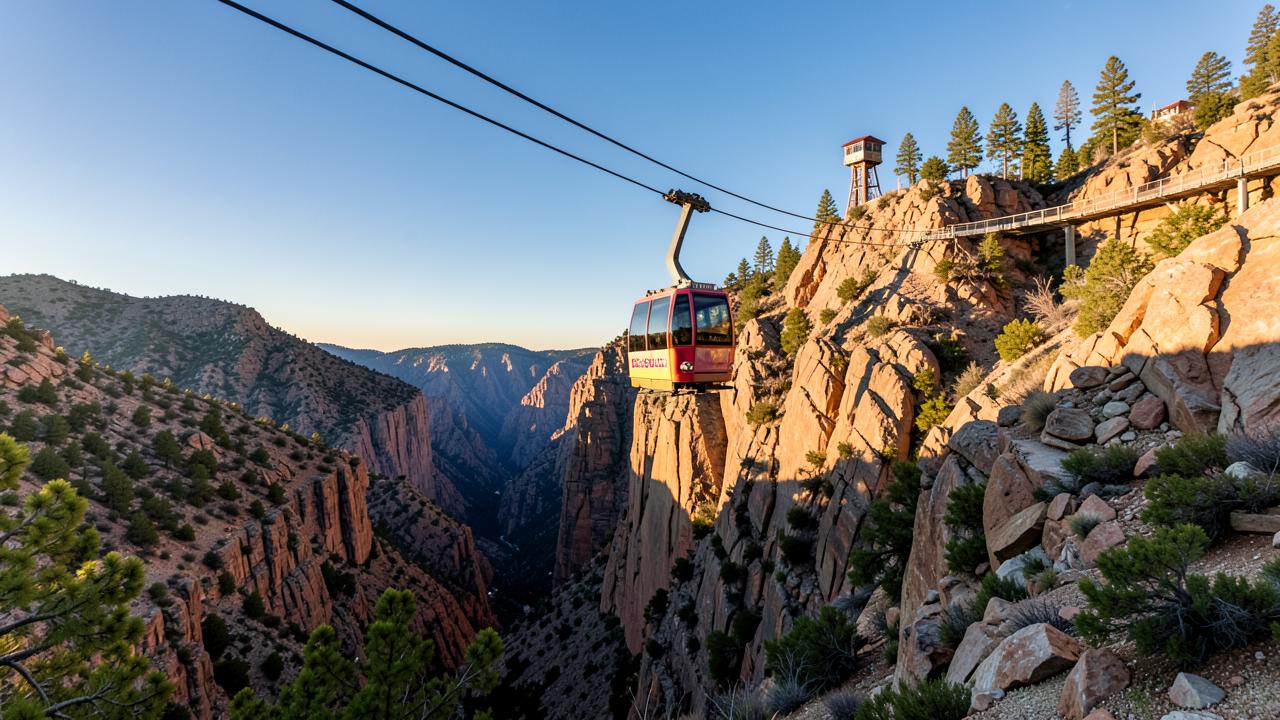
Palm Springs Aerial Tramway: Tickets, Tips & What to Expect
The world's largest rotating tram car climbs 8,516 feet from desert floor to alpine forest in about ten minutes.
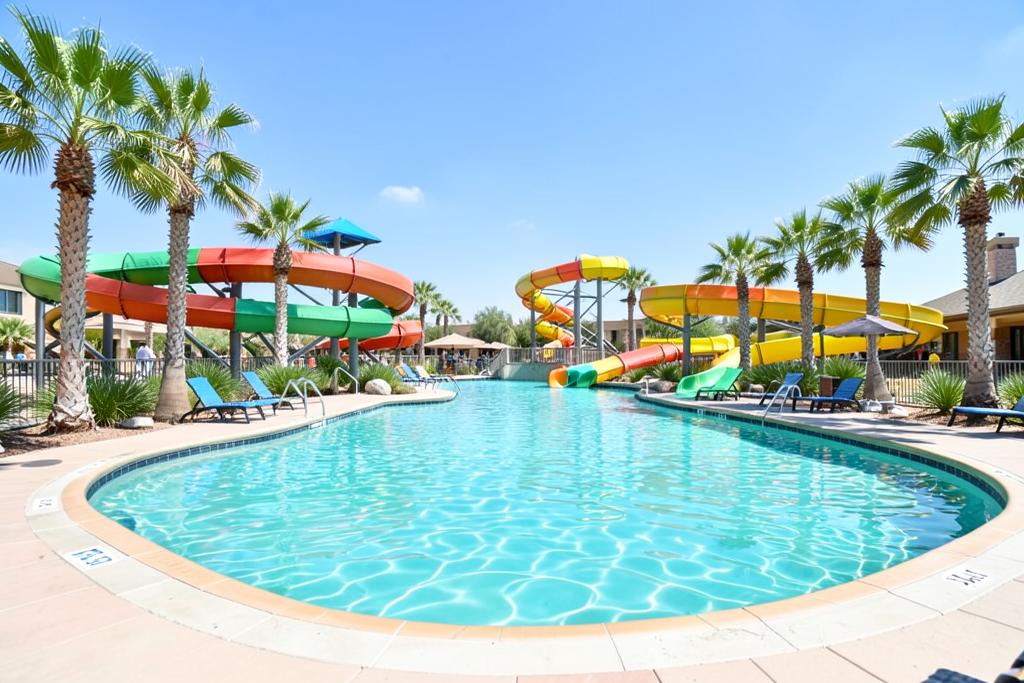
The 8 Best Kid-Friendly Hotels in Palm Springs & the Coachella Valley
Lazy rivers, waterslides, connecting rooms, and pools where nobody glares at your cannonball

Best Mexican Restaurants in Palm Springs & the Coachella Valley
From $2 street tacos in Indio to mezcal flights on North Palm Canyon — the valley-wide guide